Why a CBD Cooling Balm Might Be the Missing Piece in Your Recovery Routine
A Personal Encounter with Topical CBD
I remember the first time I tried a cbd cooling balm. I had just finished a long trail run, and my knees were complaining in that familiar, dull way. A friend handed me a small tin and said, "Rub this on. Trust me." The cool sensation hit immediately, and within minutes the ache felt distant, not gone but somehow less urgent. That experience made me curious about what was actually in the balm and why it worked so differently from the sports creams I had used before.
Since then, I have spent a lot of time reading the labels of various balms and talking to people who formulate them. The category of topical CBD products has grown fast, and the cbd cooling balm is one of the more interesting entries because it combines the potential benefits of hemp extract with classic cooling agents like menthol and camphor. It is not a magic bullet, but for certain kinds of muscle recovery and joint pain, it offers something that oral CBD or standard analgesic rubs do not.
How a Cooling Balm Interacts with the Body
To understand why a cooling balm feels different, you have to look at what is happening on a sensory level. The cooling sensation comes from compounds like menthol, which activate the TRPV1 receptor in your skin. That receptor normally detects heat and pain signals, but menthol essentially tricks it into sending a cold signal instead. That is why the area feels cool even though the balm is at room temperature.
When you add cannabinoids from a full-spectrum CBD extract to that mix, you are layering in another mechanism. Cannabinoids interact with the endocannabinoid system, which plays a role in regulating pain and inflammation. Applied topically, they do not enter the bloodstream in high amounts, but they can bind to local receptors in the skin and underlying tissues. The combination of a cooling agent and a cannabinoid can create a dual effect: immediate sensory relief from the cool feeling plus a longer, subtler modulation of discomfort.
The Role of Camphor and Essential Oils
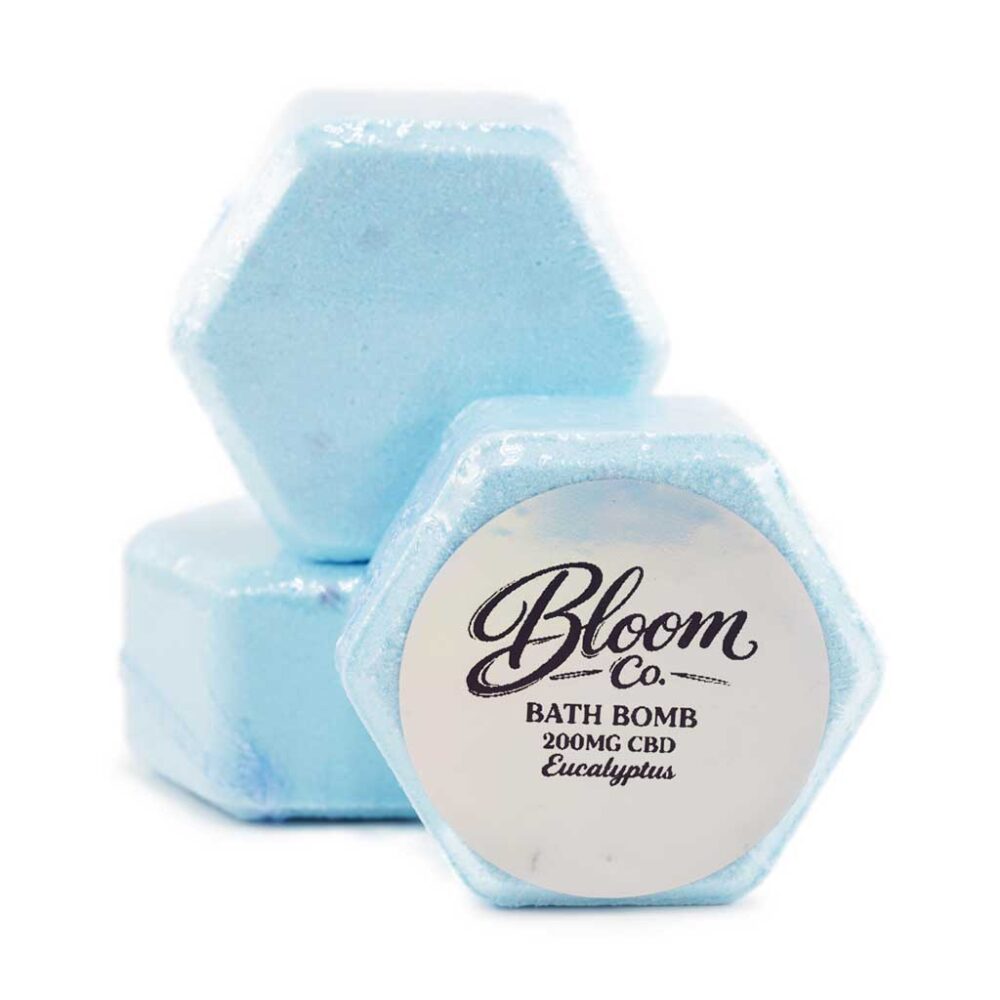
Camphor is another common ingredient in these balms. It produces a warming sensation that follows the initial coolness, which can help increase blood flow to the area. That alternating cool-warm cycle is something I find particularly useful for stiff shoulders after a long day at a desk. Many balms also include essential oils like eucalyptus or peppermint, which add their own mild analgesic properties and make the product smell less medicinal.
I have tested several brands over the past few years. Charlotte's Web makes a balm that uses a broad-spectrum CBD extract, and I appreciate that they include menthol but keep the concentration moderate so it does not overwhelm the skin. Lazarus Naturals offers a version that is thicker and feels more like a sports cream; it is good for larger areas like the lower back. CBDfx produces a cooling balm that leans heavily on the cooling factor, almost like a gel, which I prefer for acute joint pain rather than general muscle recovery.
Where a Cooling Balm Fits in Real Life
I do not think a cbd cooling balm replaces a proper warm-up or a visit to a physical therapist. But it fills a gap. I use it most often after workouts when a specific muscle group feels tight but not injured. The cool sensation encourages me to massage the area slowly, which probably does as much good as the ingredients themselves. For chronic joint pain, especially in knees or elbows, I have found that applying a cooling balm before bed helps me sleep more comfortably.
One thing to watch is the ingredient list. Some products call themselves a cooling balm but rely entirely on synthetic menthol and a tiny amount of CBD isolate. I look for organic CBD or at least a full-spectrum hemp extract because the presence of minor cannabinoids and terpenes seems to make a difference in how long the effect lasts. Broad-spectrum CBD, which retains most of the plant compounds except THC, is a good middle ground for people who want the entourage effect without any psychoactive component.
Practical Considerations
- Start small. Apply a dime-sized amount to a small patch of skin first. Some people are sensitive to menthol or camphor, and a strong reaction is possible.
- Massage it in. Rub the balm gently for at least 30 seconds. The friction helps absorption and also loosens tight fascia.
- Layer with other treatments. A cooling balm works well after a hot shower or a foam-rolling session, but not immediately before intense exercise because the cool sensation can mask pain signals.
- Store it properly. Balms with natural ingredients can separate or degrade if left in direct sunlight or high heat.
Comparing Topical Options
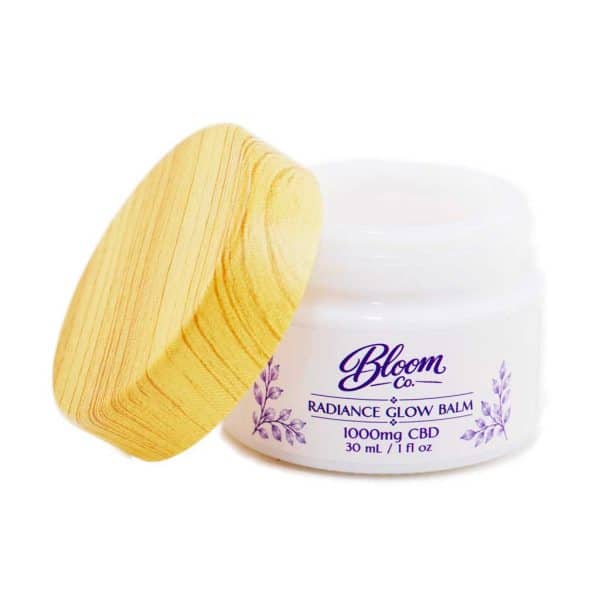
The market offers several forms of topical CBD: creams, gels, roll-ons, and balms. Each has a different absorption rate. A balm is usually thicker and more occlusive, meaning it stays on the skin longer and provides a slower release. That makes it a good choice for targeted, persistent pain. A gel or sports cream might be better if you need something that dries quickly and does not leave a residue.
I have also tried products from smaller makers that buy their hemp extract from farms I recognize. Some of those balms use a carrier oil like jojoba or coconut, which makes them feel greasier but also more moisturizing. If the balm is for your hands or feet, greasier might be fine. For a shoulder or knee, a lighter base works better because you do not want the balm to slide off under clothing.
What the Label Should Tell You
- Type of extract. Look for "full-spectrum CBD" or "broad-spectrum CBD" rather than "CBD isolate." The more compounds present, the more likely you are to get the entourage effect.
- Source of hemp. Organic CBD from a reputable farm reduces the risk of pesticides or heavy metals in the final product.
- Cooling agents. Menthol and camphor are the most common, but some balms use cooling esters that last longer. Check the concentration if you have sensitive skin.
- Third-party testing. A batch number or QR code that links to a certificate of analysis gives you confidence that the product contains what the label claims.
My Take on Effectiveness
I have been using some version of a cooling balm for about three years now, and I keep coming back to it for specific situations. After a hard leg day, nothing else seems to calm my quads as quickly. For my partner, who deals with chronic lower-back tightness, it has become a staple in her evening routine. She uses a product from Kush Station that combines organic CBD with menthol and a few essential oils, and she says it helps her fall asleep without the usual ache keeping her awake.
Is a cooling balm a substitute for medical treatment? No. If you have an injury that does not improve with rest and conservative care, you should see a doctor. But as a tool for everyday recovery and mild discomfort, it is one of the more pleasant options I have tried. The cooling sensation alone can shift your focus away from pain, and the cannabinoids may help calm the underlying inflammation over time.

If you are new to topical CBD, start with a product that lists its cannabinoid content clearly and uses a cooling balm formula that does not rely on harsh chemicals. Apply it after a warm shower when your pores are open, and give it a few days to see how your body responds. Not every balm will work the same for every person, but the combination of a topical analgesic with cooling agents is a genuinely useful approach for muscle recovery and joint pain that I expect to see more of in the coming years.